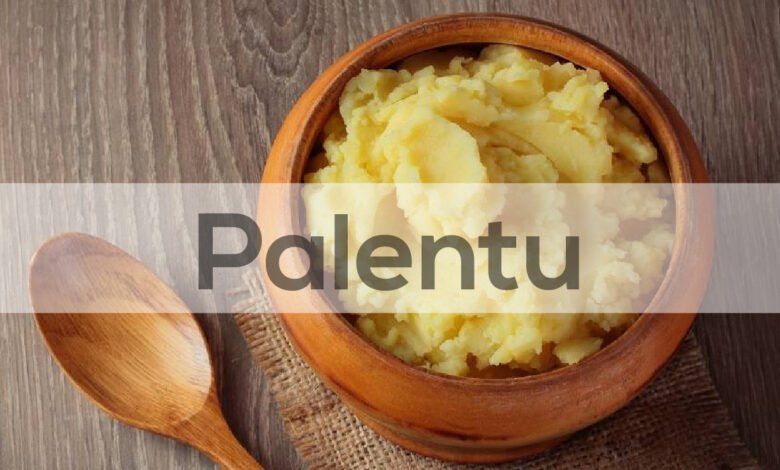
Palentu is a cornmeal-based dish similar to polenta, prepared by slowly cooking ground corn in water, milk, or broth until it becomes smooth and creamy. It can be served soft like porridge or cooled into a firm texture for slicing. It is popular in Balkan and European cuisines. Palentu is a traditional cornmeal dish, similar to polenta, known for its creamy texture, versatility, and deep cultural roots in European and Balkan cuisines.
Quick Definition of Palentu
Palentu is a simple food made from cornmeal. It is cooked in water, milk, or broth until it becomes thick and soft. Some people eat it warm and creamy, while others let it cool so it becomes firm and can be cut into pieces. For example, it can be eaten with cheese or served with vegetables. It can also be fried after cooling. Palentu is an easy and flexible cornmeal dish that can be soft or firm depending on how it is prepared.
Introduction
Palentu is a traditional dish that many people search for because of its connection to simple, natural, and comforting food. In recent years, there has been growing interest in traditional recipes, especially those that are easy to prepare and made from basic ingredients. Many people confuse palentu with polenta, and while they are very similar, the name palentu is often used in certain regions, especially in the Balkans, where it carries its own cultural meaning and identity.
The popularity of palentu is also rising because people are looking for gluten-free and healthy alternatives to modern processed foods. This dish has a long history, and its preparation has been passed down through generations. It is not only about cooking but also about culture, family traditions, and shared meals. Palentu can be made in many ways, from creamy and soft to firm and crispy, which makes it suitable for different tastes and occasions.
Today, palentu is used in both traditional kitchens and modern restaurants, where chefs experiment with new flavors and presentations. Its simplicity and versatility make it a favorite choice for many households. In this guide, we will explore everything about palentu, including its history, cooking methods, cultural importance, and modern uses.
The Origins and History of Palentu
The history of palentu goes back to ancient times when people used grains like barley, millet, and wheat to make simple porridge-like meals. These early dishes were essential for survival because they were easy to prepare and provided energy. Before corn arrived in Europe, these grains were the main ingredients used in everyday cooking. Over time, these dishes became a basic part of rural life and were eaten by families across different regions.
The introduction of corn to Europe in the 16th century changed everything. Corn was brought from the Americas and quickly became popular because it was affordable and easy to grow. As a result, cornmeal replaced older grains in many recipes. This led to the creation of dishes like palentu, which became a staple food in many European countries. The influence of the Roman dish known as “pulmentum,” a type of porridge, can also be seen in the development of palentu.
As corn spread across Europe, different regions adapted the dish to their own tastes and traditions. In the Balkans, palentu became an important part of daily meals, especially in rural areas. Families relied on it as a filling and affordable food. Over time, it spread across different cultures, each adding its own variation and style.
Ancient vs Modern Evolution
In ancient times, palentu-like dishes were considered survival food, made with whatever grains were available. Today, palentu has evolved into a dish that is enjoyed not only for its practicality but also for its flavor and cultural value. Modern chefs have transformed it into a gourmet ingredient while still respecting its traditional roots.
Palentu vs Polenta – What’s the Difference?
Palentu and polenta are often seen as the same dish, and in many ways, they are. Both are made from cornmeal and cooked in liquid until they reach a desired texture. However, the main difference lies in the name, cultural background, and serving styles. Polenta is the Italian term that is widely known around the world, while palentu is a regional variation used in parts of the Balkans and Eastern Europe.
In Italy, polenta is often served with rich toppings such as cheese, ragù, or seafood. It is considered a classic dish that can be both simple and elegant. In contrast, palentu in the Balkans is usually served with yogurt, butter, or meat. The flavors are often more rustic and closely connected to traditional home cooking.
Despite these differences, the base preparation remains almost the same. The dish is cooked slowly and requires attention to achieve the perfect texture. The variation comes from how it is served and what ingredients are added. In simple terms, palentu and polenta are essentially the same dish, but their identity changes depending on the region and culture.
How to Make Palentu at Home
Making palentu at home is simple and does not require complicated ingredients. The basic recipe includes cornmeal, water or broth, and salt. Some people also add milk, butter, or cheese to enhance the flavor. The key to making good palentu is patience and consistent stirring to achieve a smooth texture.
Basic Cooking Steps
To begin, bring water or broth to a boil in a pot. Once it starts boiling, slowly add the cornmeal while stirring continuously. This step is important to prevent lumps from forming. After adding the cornmeal, reduce the heat and let it simmer. Continue stirring regularly as the mixture thickens. The cooking process usually takes around 30 minutes, depending on the texture you prefer. Once it reaches a creamy consistency, it is ready to serve.
Pro Tips
To make perfect palentu, always add the cornmeal slowly and stir constantly. Using broth instead of water can add more flavor. You can also control the thickness by adjusting the amount of liquid. If you want a firmer texture, let the mixture cool in a tray before cutting it into slices.
Different Ways to Serve Pal entu
Palentu is a very flexible dish that can be served in many ways depending on personal taste and tradition. It can be enjoyed soft and creamy right after cooking, or it can be allowed to cool and become firm. Once firm, it can be sliced and prepared in different styles, such as frying or grilling, which gives it a crispy outside and soft inside.
Popular Serving Ideas
In many households, palentu is served with meat such as sausages or stew, where it absorbs the flavors of the sauce. It is also commonly paired with vegetables, making it a balanced and healthy meal. Adding cheese on top of warm palentu creates a rich and satisfying dish. For breakfast, some people prepare a sweet version by adding milk, honey, or fruits. This variety makes pal entu suitable for any meal of the day.
Regional Variations of Palentu Around the World
Palentu is not limited to one country or region. In Italy, it is known as polenta and is often served with cheese, meats, or seafood. The Balkans, it is called žganci and is usually paired with yogurt or butter. In Romania, a similar dish called mămăligă is firm and often served with sour cream or cheese. These variations show how different cultures have adapted the dish to their own preferences.
In South America, a related dish called cuscuz is made from cornmeal and can be served with both sweet and savory toppings. In Greece, similar dishes exist, although they may use different grains. Despite the differences in names and ingredients, the basic idea of cooking cornmeal into a thick dish remains the same. These variations highlight the global appeal of palentu and its ability to fit into different culinary traditions.
Nutritional Value of Palentu
Palentu is a nutritious dish that provides essential energy for the body. It is mainly composed of carbohydrates, which help fuel daily activities. A typical serving contains calories, fiber, and small amounts of protein. It also includes important vitamins and minerals such as vitamin B and iron. Because it is made from cornmeal, pal entu is naturally gluten-free, making it suitable for people with gluten sensitivity.
The nutritional value of palentu can change depending on how it is prepared. Adding butter, cheese, or cream increases the fat and calorie content, while using water or vegetable broth keeps it lighter. Overall, pal entu can be part of a balanced diet when combined with vegetables and protein sources. It offers a simple and healthy option for those looking for natural and filling foods.
Health Benefits of Palentu
Palentu offers several health benefits, especially when prepared in a simple way. It is easy to digest, making it suitable for people of all ages. Its gluten-free nature makes it a good choice for those with dietary restrictions. The dish is also low in fat when made without heavy toppings, which supports a healthy lifestyle. Additionally, it provides steady energy, helping people stay active throughout the day.
Healthy Preparation Tips
To make palentu healthier, it is best to use vegetable broth instead of fatty ingredients. Avoid adding too much butter or cream, and include vegetables for extra nutrients. These small changes can turn pal entu into a nutritious and balanced meal.
Cultural Importance of Palentu
Palentu holds a special place in many cultures, especially in rural communities. It is often seen as a comfort food that brings people together. In the Balkans, it is closely linked to family traditions and is commonly served during gatherings and celebrations. It represents a simple way of life, where food is prepared with care and shared with loved ones.
In Italy, polenta was once considered a food for farmers and workers. Today, it is appreciated for its traditional value and is served in both homes and restaurants. The dish reflects history, culture, and identity, showing how food can connect people across generations. Palentu is more than just a meal; it is a symbol of tradition and community.
Why Palentu Is Still Popular in 2025
In 2025, palentu continues to be popular because of its simplicity and adaptability. Many people are returning to traditional foods that are natural and easy to prepare. The demand for gluten-free options has also increased, making palentu a preferred choice. Its basic ingredients and low cost make it accessible to many households.
Modern lifestyles also support the use of palentu because it can be prepared in different ways to suit busy schedules. Whether served as a quick meal or a special dish, it fits well into everyday life. Its connection to tradition and health makes it relevant even in today’s fast-changing world.
Modern Uses of Palentu in Today’s Cuisine
Today, palentu is used in creative ways in modern cooking. It is no longer just a traditional dish but also a part of gourmet cuisine. Chefs use it as a base for different recipes, combining it with vegetables, meats, and sauces to create unique dishes. Its neutral taste allows it to adapt to many flavors.
Modern Examples
Palentu bowls with vegetables and sauces are popular in health-focused diets. Grilled slices are served as a side dish in restaurants. It is also used in plant-based meals, making it suitable for vegan diets. In fine dining, pal entu is presented in elegant ways, showing how a simple dish can be transformed into something special.
Common Mistakes When Cooking Pal entu
Many people make simple mistakes when preparing palentu. Adding cornmeal too quickly can create lumps, which affect the texture. Not stirring enough can cause the mixture to stick or burn. Using the wrong ratio of liquid to cornmeal can result in a dish that is too thick or too thin. Overcooking or undercooking can also change the final texture. Paying attention to these details can help achieve better results.
Practical Tips for Perfect Palentu
To make perfect palentu, it is important to use a heavy pot that distributes heat evenly. Stirring regularly ensures a smooth texture and prevents sticking. Experimenting with flavors, such as adding herbs or spices, can improve the taste. Leftovers can be reused by cooling and frying them, creating a new dish. These simple tips can make a big difference in the final result.
Common Misconceptions About Pal entu
There are several misconceptions about palentu. Some people think it is only a poor man’s food, but today it is enjoyed in high-end restaurants. Others believe it is only Italian, while it is also deeply rooted in Balkan and Eastern European cultures. Some assume it is unhealthy, but when prepared correctly, it can be part of a balanced diet. Understanding these facts helps people appreciate the true value of palen tu.
Conclusion
Palentu is a simple yet meaningful dish that has been enjoyed for centuries. It brings together history, culture, and nutrition in one meal. Its versatility allows it to be prepared in many ways, from creamy porridge to crispy slices. Across different regions, it continues to be a symbol of tradition and comfort. Even in modern times, palentu remains relevant because of its simplicity and health benefits. Palen tu is more than food—it is a timeless dish that connects tradition, culture, and modern living in every bite.
FAQs About Palentu
1. What is palentu made of?
Palentu is made from cornmeal, water or milk, and a little salt. Some people also add butter or cheese for more flavor. It is a simple dish with very basic ingredients.
2. Is palentu the same as polenta?
Yes, palentu and polenta and pate are almost the same dish. The main difference is the name and the region. Polenta is the Italian name, while palentu is used in some Balkan areas.
3. Is palentu gluten-free?
Yes, palentu is naturally gluten-free because it is made from cornmeal. It is a good choice for people who cannot eat wheat or gluten foods.
4. How long does it take to cook palentu?
Palentu usually takes about 20 to 40 minutes to cook. The exact time depends on the type of cornmeal and how thick you want it.
5. Can palentu be eaten every day?
Yes, palentu can be eaten every day as part of a balanced diet. It gives energy and can be made healthier by adding vegetables or protein.