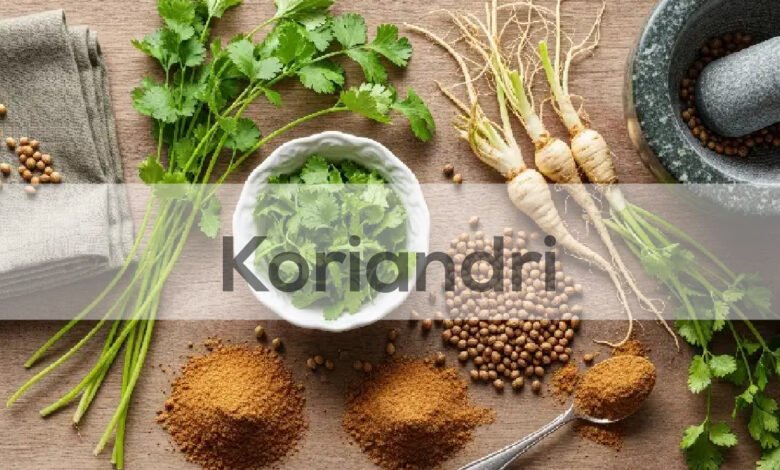
Koriandri refers to the herb Coriandrum sativum, commonly known as coriander or cilantro. It is widely used around the world for both its fresh leaves and aromatic seeds. The leaves add a bright flavor to dishes, while the seeds are used as a spice. Koriandri is valued in global cuisine and traditional medicine for its flavor and health benefits.
Introduction
Koriandri is one of the most widely used herbs in the world. Known scientifically as Coriandrum sativum, this plant has been part of human cooking and herbal traditions for thousands of years. Its fresh green leaves and dried seeds both provide unique flavors that enhance many dishes. Because of its versatility, koriandri appears in cuisines across Asia, the Middle East, Europe, and the Americas.
In many cultures, koriandri is more than just a cooking ingredient. It also plays an important role in traditional medicine. People have long used coriander seeds and leaves to help digestion, support the immune system, and provide natural nutrients. Countries like India and Pakistan, coriander—often called dhania—is an everyday kitchen staple. In Mexico and Latin America, the fresh leaves are known as cilantro and are widely used in salsas and tacos. In the Middle East, coriander seeds are used in spice blends that flavor soups, meats, and breads.
Another interesting aspect of this herb is the difference in naming. In many regions, “coriander” refers to the seeds, while “cilantro” refers to the leaves. Despite these different names, both parts come from the same plant.
This article explores everything about koriandri in detail, including its meaning and origins, culinary uses, health benefits, varieties, nutritional value, growing tips, global names, and the science behind its unique flavor.
What Is Koriandri?
Koriandri is the common name for the herb Coriandrum sativum, a plant belonging to the Apiaceae family. This plant family also includes familiar vegetables and herbs such as parsley, carrots, celery, and fennel. Like many members of this family, coriander produces aromatic leaves and seeds that are used in cooking.
Koriandri is an annual herb, which means it completes its entire life cycle within one growing season. The plant begins as a small seed that grows into a leafy herb with thin stems and delicate green leaves. As it matures, it produces small white or pale pink flowers. These flowers eventually form round seeds that dry and become the spice known as coriander.
The plant usually grows between 30 and 60 centimeters tall. Its leaves have a soft, feathery shape and a strong aroma that is easy to recognize. The scent is often described as fresh, citrus-like, and slightly herbal.
One of the most interesting features of koriandri is that its leaves and seeds taste completely different. The fresh leaves have a bright, citrusy flavor that adds freshness to dishes. In contrast, the dried seeds have a warm, earthy taste with mild lemon notes. This difference in flavor occurs because the chemical compounds in the leaves and seeds develop differently as the plant matures.
Because of this unique dual use, koriandri is both an herb and a spice, making it one of the most versatile plants in global cuisine.
The Ancient Origins and History of Koriandri
The history of koriandri goes back thousands of years. Archaeological evidence shows that coriander was already being used by ancient civilizations as early as 5,000–7,000 years ago. One of the earliest known uses comes from ancient Egypt, where coriander seeds were discovered in archaeological sites.
In fact, coriander seeds were found in the tomb of Tutankhamun, the famous Egyptian pharaoh. This discovery suggests that the herb was considered valuable enough to be included as an offering for the afterlife. Ancient Egyptians believed that certain plants had protective and healing properties, and coriander was likely one of them.
The herb later became popular in ancient Greek and Roman societies. Greeks used coriander in cooking, perfumes, and herbal medicine. Romans also valued the plant and used it to preserve food and add flavor to bread, wine, and meat dishes.
As trade routes expanded across continents, koriandri spread to new regions. Merchants traveling along ancient trade networks carried seeds to Asia, Europe, and the Middle East. Over time, the herb became deeply rooted in many local cuisines.
Traditional medical systems also adopted coriander. In Ayurvedic medicine, coriander was used to help digestion and cool the body. In Traditional Chinese Medicine, coriander seeds were believed to support digestion and reduce inflammation.
Through centuries of trade, migration, and cultural exchange, koriandri transformed from a regional herb into a truly global ingredient.
Global Names of Koriandri Around the World
Because koriandri is used in so many cultures, it has developed many different names around the world. These names often reflect the language, culture, and culinary traditions of each region.
The most widely recognized name is coriander, which comes from the Greek word koriannon. In many parts of the world, coriander refers to the entire plant.
In North America and Latin America, the fresh leaves are called cilantro. This name comes from Spanish and is widely used in Mexican and Central American cooking.
In South Asia, particularly in India and Pakistan, coriander is known as dhania. The fresh leaves are often called hara dhania, meaning “green coriander.” It is used daily in curries, chutneys, and street foods.
In Arabic-speaking countries, coriander is called kuzbara. In Persian language regions, it may be known as gashniz. Some Asian cultures refer to the herb as Chinese parsley because its leaves resemble parsley.
These different names show how deeply the herb is connected to global food culture. Even though the names vary, the plant itself remains the same, linking cuisines across continents.
Flavor Profile of Koriandri and Why People Love It
Koriandri has a distinctive flavor that many people enjoy. The fresh leaves have a bright, citrus-like taste that adds freshness to many dishes. This flavor is often described as slightly peppery, herbal, and refreshing.
The aroma of coriander leaves is strong and unique. When chopped, the leaves release essential oils that produce a fresh, green scent. This aroma is one reason chefs use cilantro as a garnish for soups, curries, tacos, and salads.
The seeds, however, taste very different from the leaves. Dried coriander seeds have a warm, nutty flavor with mild citrus notes. When toasted or ground, they release a pleasant fragrance that enhances spice blends and sauces.
Many people love koriandri because it balances other flavors. Its freshness can lighten spicy foods and complement rich ingredients such as meat, beans, and grains.
However, not everyone enjoys its flavor. Some people believe the herb tastes unpleasant or soapy. This difference in taste perception is actually linked to genetics.
Why Some People Think Koriandri Tastes Like Soap
For some people, koriandri tastes similar to soap or detergent. This reaction is not imaginary. It is caused by a genetic variation in the OR6A2 gene, which affects how certain taste receptors detect chemical compounds.
The leaves of coriander contain natural chemicals called aldehydes. These compounds are also found in some soaps and cleaning products. People who carry a specific genetic variant are more sensitive to these aldehydes, making the herb taste unpleasant.
Research suggests that about 10–15 percent of people experience this genetic taste sensitivity. Interestingly, coriander seeds rarely cause the same reaction because their chemical composition is different from the leaves.
This genetic explanation helps scientists understand why koriandri can be loved by some and disliked by others.
Culinary Uses of Koriandri in Global Cuisine
Koriandri is used in a wide variety of dishes across many cultures. Both the leaves and seeds contribute to different cooking styles.
In South Asian cuisine, coriander is essential in curries, chutneys, and lentil dishes. Fresh leaves are often sprinkled over biryani, rice dishes, and vegetable stews.
In Mexican cuisine, cilantro is widely used in salsas, guacamole, tacos, and soups. Its fresh flavor balances spicy ingredients and brightens many dishes.
In the Middle East, coriander seeds appear in spice blends used for meats, soups, and stews. Dishes like falafel and hummus often include coriander.
In Thai cuisine, coriander roots are used in curry pastes and marinades. The roots have a stronger flavor than the leaves.
Mediterranean cooking also uses coriander seeds in bread, pickles, and spice mixes.
Because the herb provides both freshness and warmth, chefs often combine fresh leaves and ground seeds to build layers of flavor.
Fresh Leaves vs Coriander Seeds – Key Differences
Although both come from the same plant, coriander leaves and seeds serve different purposes in cooking.
Fresh leaves have a bright aroma and citrus flavor. They are best used raw or added at the end of cooking to maintain their freshness.
Coriander seeds have a warm, earthy taste and are often toasted before grinding. Toasting releases essential oils that enhance their fragrance.
The leaves are rich in vitamins and antioxidants, while the seeds contain fiber and minerals.
In terms of storage, fresh cilantro should be refrigerated and used within a week. Seeds, however, can last for months when stored in airtight containers.
Because of these differences, chefs treat the leaves and seeds as two distinct ingredients.
Nutritional Value of Koriandri
Koriandri contains many nutrients that support overall health. The leaves are rich in vitamins A, C, and K, which play important roles in the body.
Vitamin A helps maintain healthy vision and skin, and Vitamin C supports the immune system and acts as an antioxidant. Vitamin K is essential for blood clotting and bone health.
Coriander also contains important minerals such as iron, calcium, magnesium, and potassium. These nutrients help maintain healthy muscles, bones, and blood circulation.
The plant also provides antioxidants and dietary fiber. Antioxidants help protect cells from damage caused by free radicals, while fiber supports digestive health.
Essential oils found in coriander, including linalool and geraniol, contribute to its aroma and may have antibacterial properties.
Health Benefits of Koriandri
Koriandri has been used for centuries for its health-supporting properties. Many traditional and modern studies suggest that coriander may offer several benefits.
One of its most well-known benefits is supporting digestion. Coriander seeds contain compounds that help stimulate digestive enzymes, which can reduce bloating and discomfort.
The herb also has anti-inflammatory properties. These properties may help reduce inflammation in the body and support joint health.
Coriander contains antioxidants that protect cells from oxidative stress. This protection may help reduce the risk of certain chronic diseases.
Some studies suggest coriander may help regulate blood sugar levels by improving insulin sensitivity. It may also support heart health by helping maintain balanced cholesterol levels.
Additionally, coriander has mild detoxifying properties that may help the body remove certain toxins.
Medicinal Uses of Koriandri in Traditional Medicine
Traditional medicine systems have used coriander for centuries. In Ayurvedic medicine, coriander is considered a cooling herb that helps balance digestion and reduce internal heat.
In Chinese herbal medicine, coriander was used to support digestion and relieve stomach discomfort.
Middle Eastern herbal traditions used coriander seeds as remedies for digestive problems and respiratory conditions.
The herb has also been used as a mild calming agent to support sleep and reduce anxiety.
While modern science continues to study these benefits, traditional practices have long recognized the plant’s value.
Where Koriandri Is Grown Around the World
Koriandri grows in many regions with mild climates. Today it is cultivated across several continents.
Major producers include India, Pakistan, Morocco, Egypt, Turkey, China, Mexico, and the United States. India is one of the largest producers and exporters of coriander seeds.
The plant grows best in well-drained soil and moderate temperatures. Farmers often plant coriander in cool seasons because the plant tends to bolt quickly in hot weather.
Because coriander grows relatively quickly, it is also commonly grown in home gardens.
How to Grow Koriandri at Home
Growing koriandri at home is simple and requires minimal space. The plant grows best in areas that receive four to six hours of sunlight each day.
Seeds should be planted directly in well-drained soil about half a centimeter deep. Water the soil regularly but avoid overwatering.
Plants usually begin producing leaves within a few weeks. Leaves can be harvested once the plant reaches about 15 centimeters tall.
To prevent the plant from bolting too quickly, gardeners often plant coriander during cooler seasons and harvest leaves frequently.
How to Store Fresh Koriandri Properly
Proper storage helps keep koriandri fresh for longer. One simple method is to place the stems in a glass of water and cover the leaves loosely with a plastic bag before refrigerating.
Another method is to wrap washed and dried leaves in damp paper towels and store them in an airtight container.
For long-term storage, chopped leaves can be frozen in ice cube trays with water or olive oil.
Coriander seeds should be stored in airtight containers in a cool, dark place. Whole seeds retain their flavor much longer than ground coriander.
Coriander Seeds and Essential Oils
Coriander seeds are not only used in cooking but also in essential oils. The Coriander essential oil is extracted from the seeds and contains compounds such as linalool, which provide antibacterial and anti-inflammatory properties.
This oil is sometimes used in aromatherapy to promote relaxation and relieve stress. It is also used in cosmetics and perfumes because of its warm and pleasant scent.
Because of these properties, coriander oil appears in many skincare and fragrance products.
Advantages of Using Koriandri in the Daily Diet
Adding koriandri to daily meals offers several advantages. The herb provides essential nutrients that support the immune system and overall health.
It also supports digestion and helps reduce bloating after meals. The antioxidants present in coriander help protect cells from damage.
Regular consumption of coriander may also support heart health and maintain balanced blood sugar levels.
Because the herb is low in calories yet rich in nutrients, it can be easily added to many healthy diets.
Who Should Include Koriandri in Their Diet
Certain groups of people may benefit particularly from including koriandri in their diet.
Individuals with digestive discomfort may find coriander helpful in easing stomach problems.
People managing blood sugar levels may also benefit from coriander’s potential effects on glucose metabolism.
Those with inflammatory conditions or skin issues may also benefit from its anti-inflammatory properties.
However, like any herb, it should be consumed in moderation as part of a balanced diet.
Interesting Facts About Koriandri
Koriandri has many interesting features. Archaeologists discovered coriander seeds in Egyptian tombs, showing its importance in ancient times.
The same plant provides both a fresh herb and a spice, which is uncommon among many plants.
Cilantro and coriander come from the same plant but refer to different parts.
Coriander oil is used in perfumes and cosmetics due to its pleasant aroma.
Finally, some people dislike cilantro because of a genetic trait that affects taste perception.
Conclusion
Koriandri is one of the most valuable herbs in the world. From ancient Egyptian tombs to modern kitchens, this plant has traveled across cultures and centuries. Its leaves bring freshness to dishes, while its seeds add warmth and depth to spices.
Beyond its culinary uses, koriandri offers nutritional and medicinal benefits that have been recognized in many traditional healing systems. Today, it remains an essential ingredient in global cuisines and a symbol of culinary heritage.
Whether used in cooking, gardening, or natural health practices, koriandri continues to prove its versatility and importance as one of the most useful herbs on Earth.
Frequently Asked Questions (FAQs)
What is Koriandri used for?
Koriandri is used in cooking and traditional medicine. The fresh leaves are added to salads, curries, soups, and garnishes for flavor, while the seeds are used as a spice in sauces, marinades, and spice blends. It is also valued for its digestive and antioxidant health benefits.
Is koriandri the same as coriander or cilantro?
Yes, koriandri refers to the same plant called Coriandrum sativum. In many countries, the fresh leaves are called cilantro, while the dried seeds are called coriander. Both come from the same plant but have different flavors and uses in cooking.
Why does koriandri taste like soap to some people?
Some people have a genetic variation that makes them sensitive to certain natural compounds in coriander leaves called aldehydes. These compounds are also found in soap, which is why about 10–15% of people think cilantro tastes soapy.
Is koriandri good for health?
Yes, koriandri contains vitamins A, C, and K, as well as antioxidants and minerals. It may help support digestion, reduce inflammation, improve heart health, and provide nutrients that strengthen the immune system.
Can koriandri be grown at home?
Yes, koriandri is easy to grow at home. It grows well in pots or gardens with moderate sunlight and well-drained soil. Seeds usually sprout within one to two weeks, and the leaves can be harvested once the plant grows about 6 inches tall.