Wattip is a smart energy monitoring solution designed to track electricity usage in real time. It helps homes and businesses understand how much power they consume and which devices use the most energy. By providing clear data insights, Wattip enables users to reduce electricity costs, improve efficiency, and support sustainable energy use. In simple terms, Wattip is a digital system that monitors and analyzes energy consumption to help people use electricity more efficiently.
Introduction
Wattip is becoming an important topic in the world of smart technology and energy management. As electricity consumption continues to rise around the world, people are looking for better ways to understand and control how much energy they use. Higher electricity prices and increasing environmental concerns have made energy awareness more important than ever. Many households and businesses now want tools that help them monitor energy usage and reduce unnecessary power consumption.
At the same time, smart homes and digital energy technologies are growing rapidly. Devices such as smart thermostats, automated lighting systems, and connected appliances are changing how people manage their homes and workplaces. However, these technologies are only truly useful when users can clearly see how much energy they are consuming. This is where Wattip plays an important role.
Wattip provides real-time visibility of electricity usage. Instead of waiting for monthly energy bills, users can monitor their power consumption instantly through a digital dashboard. This allows them to identify waste, improve efficiency, and make smarter decisions about how they use electricity.
This article will explain everything you need to know about Wattip, including its definition, how it works, its key features, the benefits it offers, real-world applications, and the future potential of smart energy monitoring technology.
The Growing Need for Smart Energy Monitoring
Electricity consumption has increased significantly over the past few decades. Modern homes and businesses rely on a large number of electrical devices, from computers and air conditioners to smart appliances and industrial equipment. While these technologies improve comfort and productivity, they also increase the demand for electricity.
At the same time, energy costs are rising in many parts of the world. Many households experience higher electricity bills without fully understanding why their consumption has increased. Traditional energy systems only provide information once a month through utility bills, which makes it difficult for users to identify what is causing higher usage.
Another important factor is climate change and environmental sustainability. Reducing energy waste is one of the most effective ways to lower carbon emissions and protect natural resources. Governments and organizations around the world are encouraging people to adopt energy-efficient technologies.
However, improving energy efficiency requires accurate information. Without real-time visibility of energy consumption, it is difficult for people to change their habits or optimize their electricity usage. This is why smart energy monitoring tools like Wattip are becoming essential.
Modern technology allows energy consumption to be tracked in real time. Digital sensors, cloud software, and smart devices can now collect and analyze detailed energy data. With these technologies, users can understand exactly how electricity is used in their homes or businesses, helping them reduce waste and improve efficiency.
What Exactly Is Wattip?
Wattip is a smart energy monitoring system designed to help users track and analyze electricity usage. It combines modern hardware and software technologies to collect detailed data about energy consumption and present it in an easy-to-understand format.
The system typically connects to a building’s electrical infrastructure through a smart meter or energy sensor. This hardware device measures electricity flow and collects real-time information about energy usage. The data is then transmitted to a software platform, usually available through a mobile app or web dashboard.
Using this digital platform, users can see how much electricity their home or business is consuming at any moment. Wattip can also identify which appliances or systems are responsible for the highest energy usage. This information allows users to make informed decisions about how to reduce power consumption.
Another important aspect of Wattip is its use of data analytics. Instead of only displaying raw numbers, the system analyzes energy patterns and provides insights about usage trends. These insights help users identify inefficient devices, unnecessary energy consumption, and opportunities for improvement.
The Meaning Behind the Name Wattip
The name Wattip reflects the technology behind the system. The word “Watt” refers to the unit used to measure electrical power. It represents how much energy a device consumes while operating.
The “IP” part of the name often suggests digital connectivity or internet-based communication. In this context, it represents the digital infrastructure that allows energy data to be transmitted and analyzed through connected devices.
Together, the name Wattip represents the concept of digital power intelligence, where electricity usage is measured, analyzed, and optimized using modern technology.
How Wattip Works
Wattip works by combining hardware sensors with advanced software analytics to monitor electricity usage. The process begins with installing an energy monitoring device that connects to the electrical system of a home or building.
This device is usually linked to a smart meter or directly connected to the electrical panel. Once installed, the device begins measuring the flow of electricity in real time. It records how much power is being used and identifies changes in consumption patterns.
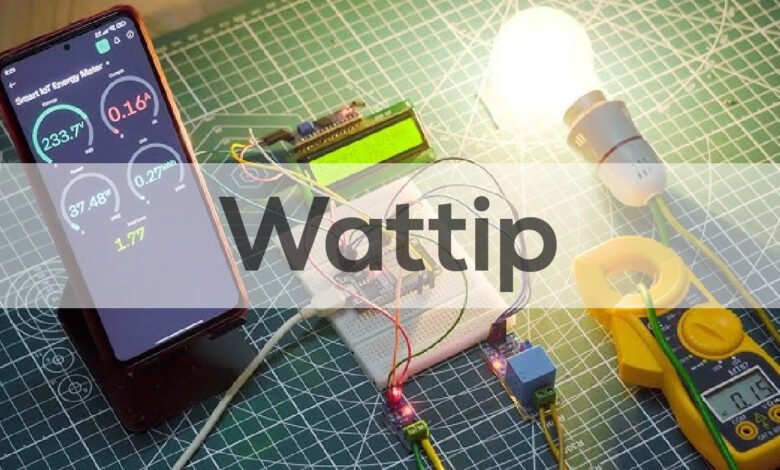
The collected data is then transmitted to a cloud-based platform or mobile application. Users can access this information through a digital dashboard that displays energy consumption in a visual format. Graphs, charts, and detailed reports make it easy to understand energy usage trends.
The system also analyzes data using software algorithms. These algorithms identify patterns in electricity usage and provide recommendations for improving efficiency.
The basic process of Wattip can be summarized in three steps.
First, energy usage data is collected through sensors and smart meters connected to the electrical system.
Second, the data is processed and analyzed using software algorithms that detect patterns and identify inefficiencies.
Third, users receive visual reports and insights through a mobile or web dashboard, allowing them to make better decisions about energy consumption.
Core Features of Wattip
Wattip includes several important features designed to improve energy monitoring and management.
One of the most valuable features is real-time electricity monitoring. Users can instantly see how much power their home or business is consuming at any moment. This immediate feedback helps users recognize energy waste and take action quickly.
Another important feature is appliance-level energy tracking. Wattip can identify which devices or systems consume the most electricity. This allows users to understand which appliances are responsible for high energy bills.
The system also provides an energy usage analytics dashboard. This dashboard displays energy data in an easy-to-read format using charts and graphs. Users can review daily, weekly, or monthly consumption patterns.
Wattip also offers personalized energy-saving insights. Based on collected data, the system can recommend ways to reduce energy usage, such as adjusting appliance usage or upgrading inefficient equipment.
Smart home integration is another useful feature. Wattip can connect with other smart home systems, including automated lighting, thermostats, and energy management devices.
The system also provides alert notifications for abnormal energy spikes. If a device suddenly begins consuming excessive electricity, the system can notify users immediately.
Finally, cloud-based energy data storage allows users to access historical energy data at any time. This makes it easier to analyze long-term energy trends and track improvements.
Key Benefits of Using Wattip
The main advantage of Wattip is improved control over electricity usage. By monitoring energy consumption in real time, users can identify waste and make smarter decisions about how they use power.
One of the most noticeable benefits is reduced electricity bills. When users understand how much energy they are consuming, they can adjust their habits and eliminate unnecessary power usage.
Wattip also improves overall energy efficiency. By identifying inefficient appliances or systems, users can replace outdated equipment or adjust usage patterns.
Another benefit is environmental sustainability. Reducing electricity consumption lowers the demand for energy production, which can help decrease carbon emissions and support environmental protection.
Wattip also increases awareness about appliance performance. Users can identify devices that consume excessive energy and determine whether maintenance or replacement is needed.
Real-time data also allows faster decision-making. Instead of waiting for monthly utility bills, users can take immediate action when energy usage increases unexpectedly.
Both homeowners and businesses can benefit from Wattip. Homeowners can reduce energy costs and improve sustainability, while businesses can optimize operations and reduce operational expenses.
Wattip vs Traditional Energy Monitoring Systems
Traditional energy monitoring systems rely mainly on monthly electricity bills. These bills provide only a summary of energy usage, which makes it difficult for users to understand how or when electricity was consumed.
In contrast, Wattip provides real-time monitoring. Users can see exactly how much electricity they are using at any moment.
Traditional systems also provide limited data. They only show total consumption for a billing period, without identifying which appliances or systems used the most energy.
Wattip provides detailed analytics that break down energy consumption by time and device. This makes it easier to identify energy waste.
Manual meter reading is another limitation of traditional systems. Wattip automates the monitoring process and provides continuous updates through digital dashboards.
Finally, traditional energy monitoring does not provide recommendations or insights. Wattip analyzes data and suggests ways to improve energy efficiency, making it a more advanced and useful solution.
Wattip in Smart Homes
Smart homes rely on connected devices that automate everyday tasks. These systems include smart thermostats, automated lighting systems, and connected appliances.
Wattip integrates with these technologies to provide better energy management. By monitoring electricity usage across the entire home, it helps homeowners understand how smart devices affect energy consumption.
For example, Wattip can show how heating or cooling systems impact electricity usage during different times of the day. It can also identify when lighting systems or entertainment devices consume unnecessary power.
With this information, homeowners can adjust automation routines to improve efficiency. Smart homes become not only more convenient but also more energy efficient.
Wattip for Businesses and Offices
Businesses often consume large amounts of electricity due to office equipment, lighting systems, computers, and industrial machinery. Without proper monitoring, energy costs can become a significant expense.
Wattip allows businesses to monitor electricity consumption across their facilities. By tracking device usage, companies can identify equipment that consumes excessive energy.
Businesses can also use Wattip to improve sustainability reporting. Many organizations now track energy efficiency as part of environmental responsibility initiatives.
By reducing energy waste and optimizing operations, businesses can lower operational costs while improving sustainability performance.
Wattip and Renewable Energy Systems
Renewable energy systems such as solar panels and wind turbines are becoming increasingly popular. However, managing renewable energy efficiently requires accurate monitoring of both energy production and consumption.
Wattip helps users monitor how much renewable energy their systems generate and how much electricity they consume. This information allows users to balance energy generation with usage.
For example, homeowners with solar panels can track when solar production is highest and schedule energy-intensive tasks during those periods.
Wattip can also monitor battery storage systems and ensure that stored energy is used efficiently. This makes it easier to maximize the benefits of renewable energy investments.
Real-World Applications of Wattip
Wattip can be used in many different environments. In households, it helps families manage electricity bills and reduce unnecessary power usage.
Office buildings can use Wattip to monitor energy consumption across departments and improve efficiency.
Factories and industrial facilities can use the system to track machine energy usage and identify inefficient equipment.
Renewable energy installations can also benefit from Wattip by optimizing energy generation and consumption.
For example, a small office using Wattip may discover that computers and lighting systems remain active overnight. By adjusting power settings, the company could significantly reduce electricity costs.
Common Misconceptions About Wattip
Some people believe that smart energy monitoring systems are complicated to use. However, Wattip is designed with a user-friendly interface that makes energy data easy to understand.
Another misconception is that installation is expensive. In reality, many energy monitoring devices are affordable and easy to install.
Some users also question the accuracy of energy monitoring data. Modern monitoring systems use advanced sensors and algorithms that provide reliable information.
Finally, some people believe that these systems are only useful for technology experts. In reality, Wattip is designed for everyday users who want a simple way to monitor and improve their energy usage.
Tips for Getting the Most Out of Wattip
To maximize the benefits of Wattip, users should regularly review their energy usage dashboard. Monitoring daily energy patterns helps identify waste quickly.
Users should also identify appliances that consume the most electricity. Replacing inefficient devices can significantly reduce energy consumption.
Setting alerts for unusual energy spikes can help detect problems early. These alerts may indicate faulty equipment or unexpected power usage.
Scheduling heavy appliance usage during low-demand periods can also improve efficiency.
Finally, integrating Wattip with smart automation systems can further optimize energy management by automatically adjusting device usage.
The Future of Wat tip and Smart Energy Technology
The future of energy management is closely connected to digital technology. Artificial intelligence will play a growing role in energy analytics by predicting energy usage patterns and recommending improvements.
Predictive energy forecasting could help users adjust energy usage before consumption increases.
Smart cities may also use energy monitoring systems like Wattip to manage electricity demand across entire communities.
Grid-level optimization may allow utilities and consumers to coordinate energy usage more efficiently.
These advancements will make energy systems more sustainable and efficient, and Wattip could play an important role in this evolving digital energy ecosystem.
Why Wat tip Is Becoming a Game-Changer in Energy Management
Wattip is transforming how people understand and manage electricity consumption. By providing real-time visibility, it removes the uncertainty that often surrounds energy usage.
Users can clearly see how their devices consume electricity and adjust their habits accordingly. This transparency improves efficiency and reduces energy waste.
The system also supports cost savings by helping users reduce unnecessary electricity usage.
At the same time, Wattip contributes to environmental sustainability by encouraging responsible energy consumption.
As technology continues to evolve, energy monitoring tools like Wattip are likely to become standard in homes and businesses around the world.
Conclusion
Energy consumption has become one of the most important challenges of modern living. Rising electricity costs and environmental concerns make it essential for individuals and organizations to understand how they use energy. Wattip provides a powerful solution by offering real-time monitoring and detailed energy insights.
By tracking electricity usage and identifying inefficiencies, Wattip helps users reduce energy waste and lower electricity bills. The system empowers both homeowners and businesses to make smarter decisions about energy consumption.
As smart homes, renewable energy systems, and digital technologies continue to expand, energy monitoring will become increasingly important. Tools like Wattip represent the future of intelligent energy management.
By providing transparency, efficiency, and actionable insights, Wattip helps create a more sustainable and energy-aware world.
Frequently Asked Questions (FAQs)
1. What is Wattip?
Wattip is a smart energy monitoring system that helps people track their electricity usage in real time. It connects to a home or business power system and shows energy consumption through a mobile or web dashboard. This helps users understand how much electricity they use and how to reduce energy waste.
2. How does Wattip track electricity usage?
Wattip tracks electricity usage using sensors connected to a smart meter or electrical panel. The system collects energy data continuously and sends it to a mobile app or dashboard. Users can see real-time electricity consumption, identify high-energy devices, and monitor energy trends easily.
3. Can Wattip help reduce electricity bills?
Yes, Wattip can help reduce electricity bills by showing which appliances use the most power. When users see real-time energy data, they can change their habits, switch off unnecessary devices, and use energy more efficiently. This helps lower electricity consumption and reduce monthly energy costs.
4. Is Wattip suitable for both homes and businesses?
Yes, Wattip is designed for both homes and businesses. Homeowners can use it to manage daily electricity usage, while businesses can monitor equipment and reduce operational energy costs. The system helps both environments improve efficiency and control energy expenses.
5. Does Wattip work with renewable energy systems like solar panels?
Yes, Wattip can work with renewable energy systems such as solar panels. It helps users monitor how much solar energy is generated and how much electricity is being used. This allows homeowners and businesses to balance energy production and consumption more efficiently.