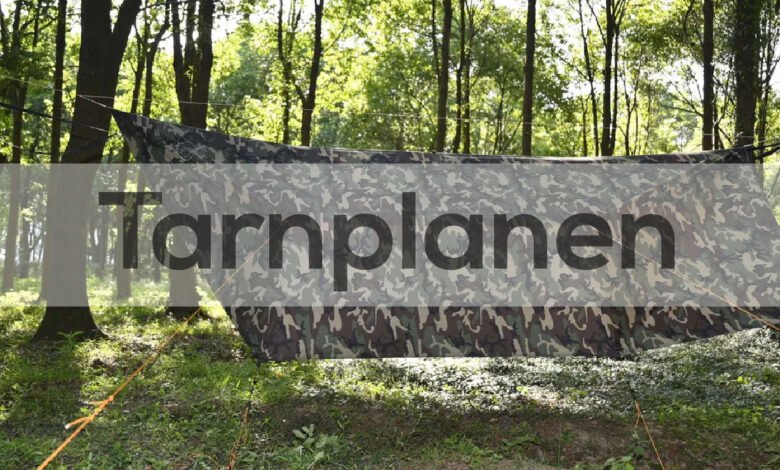
Tarnplanen is a German term that means camouflage tarpaulins or camouflage covers. The word comes from “Tarn,” meaning camouflage, and “Planen,” meaning tarps or protective sheets. Tarnplanen are strong fabric covers used in military operations, camping, survival activities, and outdoor protection to conceal people, vehicles, equipment, or shelters while protecting them from weather and environmental conditions.
Introduction
Tarnplanen has become an essential tool for people who spend time outdoors or work in environments where protection and concealment are important. Whether someone is camping in the wilderness, working on a construction site, or operating in military environments, a reliable tarp that can both protect and hide equipment is extremely valuable. Tarnplanen offers exactly that combination of durability, camouflage, and versatility.
The popularity of Tarnplanen has grown alongside the rising interest in outdoor survival gear, bushcraft, hiking, and tactical equipment. Many outdoor enthusiasts now prefer camouflage tarps because they blend naturally with forests, fields, and rugged landscapes. Unlike ordinary tarps that simply cover objects, Tarnplanen is designed to hide them while also providing strong protection against rain, wind, sunlight, and rough weather conditions.
Another reason Tarnplanen is gaining attention is its multi-purpose functionality. It can be used as a temporary shelter during camping trips, a protective ground cover, or a shield for tools, vehicles, and supplies. Hunters and wildlife photographers use Tarnplanen to stay hidden while observing animals. Military units use them to conceal equipment or build field shelters during operations.
In this article, you will learn everything about Tarnplanen, including its meaning, materials, common uses, key benefits, buying tips, and practical setup methods. By the end, you will understand why Tarnplanen is considered one of the most useful and reliable outdoor covers available today.
The Meaning and Origin of the Word Tarnplanen
The word Tarnplanen comes from the German language and is a compound term formed by combining two words. The first word, “Tarn,” means camouflage, concealment, or the act of blending into surroundings. The second word, “Planen,” refers to tarpaulins, covers, or protective sheets that are used to shield objects from weather or environmental exposure.
When these two words are combined, Tarnplanen literally translates to “camouflage tarpaulins” or “camouflage covers.” These covers are specifically designed to hide objects or structures while also protecting them from natural elements such as rain, wind, and sunlight.
The concept of camouflage has long been used in military operations. Soldiers learned that blending into natural environments could protect them from detection by enemies. Over time, this idea evolved into specialized camouflage equipment, including clothing, tents, nets, and protective covers like Tarnplanen.
Today, the term Tarnplanen is widely recognized in European military gear terminology and outdoor equipment communities. The concept has expanded beyond military use and is now common among campers, hunters, photographers, and survivalists. Modern Tarnplanen represents a combination of camouflage science, protective materials, and practical outdoor design, making it useful for both tactical and recreational purposes.
The History and Evolution of Tarnplanen
The development of Tarnplanen is closely connected to the history of camouflage in warfare. Long before modern camouflage fabrics were invented, soldiers used natural materials such as leaves, mud, and branches to hide themselves and their equipment. These early concealment strategies were simple but effective in helping soldiers avoid detection.
During the late nineteenth and early twentieth centuries, military forces began experimenting with patterned fabrics designed specifically for camouflage. These patterns helped soldiers blend into forests, deserts, or other battle environments. This innovation marked the beginning of modern camouflage technology.
During the World Wars, camouflage became an important military strategy. Specialized tarps and covers were developed to hide vehicles, weapons, and supply areas. These covers were designed not only to conceal equipment but also to protect it from weather and damage. Tarnplanen-style tarps began to appear during this period as part of military field gear.
After the wars, large amounts of military equipment entered the civilian market through military surplus stores. Outdoor enthusiasts quickly realized that these camouflage tarps were extremely durable and practical. Campers, hunters, and survival experts started using Tarnplanen for shelters, gear protection, and concealment in natural environments.
Today, Tarnplanen has evolved into a modern outdoor tool. Manufacturers now produce improved versions using advanced materials that are lighter, stronger, and more weather-resistant. Although its roots are military, Tarnplanen is now widely used by civilians who value its durability and versatility.
Materials Used in Tarnplanen
Tarnplanen is manufactured using strong materials designed to survive harsh outdoor conditions. The choice of material affects the tarp’s durability, weight, waterproof ability, and overall performance.
One of the most common materials used is PVC-coated fabric. PVC tarps are extremely strong and waterproof, making them ideal for heavy-duty outdoor use. The coating creates a barrier that prevents water from penetrating the material. PVC tarps are also resistant to dirt, sunlight, and wear, which makes them suitable for long-term protection of equipment and supplies.
Another popular material is ripstop nylon. This lightweight fabric is designed with a special weaving pattern that stops small tears from spreading across the material. Ripstop nylon is commonly used in survival gear because it combines strength with portability. It dries quickly and is easy to fold and carry.
Canvas fabric is also used in some Tarnplanen designs. Canvas is a traditional outdoor material known for its durability and breathability. While it is heavier than synthetic fabrics, it provides excellent strength and long service life. Treated canvas can also be water-resistant.
Modern Tarnplanen often includes additional protective features such as UV-resistant coatings, waterproof layers, and reinforced edges. These features improve the tarp’s ability to withstand extreme weather conditions and extend its lifespan.
Key Features That Make Tarnplanen Unique
Tarnplanen stands out from ordinary tarps because it is designed for both protection and concealment. One of its most important features is the camouflage pattern printed on the fabric. These patterns are designed to match natural environments such as forests, deserts, or grasslands. The purpose is to help people or objects blend into their surroundings.
Another key feature is the use of tear-resistant materials. Outdoor environments can be rough, with sharp branches, rocks, and strong winds. Tarnplanen is built with durable fabrics that resist tearing and damage during heavy use.
The edges of Tarnplanen are usually reinforced for additional strength. These reinforced edges prevent the fabric from ripping when the tarp is stretched or tied down.
Many Tarnplanen also include metal grommets or eyelets along the edges. These small metal rings allow ropes or cords to be attached easily, making it simple to secure the tarp between trees, poles, or stakes.
In addition, Tarnplanen often features waterproof coatings, UV protection, and wind resistance. These features ensure that the tarp can protect people and equipment from rain, sunlight, and strong winds. Because of these characteristics, Tarnplanen performs much better than many standard tarps in outdoor conditions.
Common Uses of Tarnplanen
Tarnplanen is used in many different situations because of its strength and flexibility. One of the most well-known uses is in military and tactical operations. Soldiers use Tarnplanen to cover vehicles, hide equipment, and build temporary shelters in the field. The camouflage design helps prevent detection, while the tarp protects equipment from weather damage.
Outdoor enthusiasts also rely heavily on Tarnplanen. Campers and hikers often use it as a rain shelter or ground cover. It can be stretched between trees to create a simple shelter that protects from rain and wind.
Hunters and wildlife photographers use Tarnplanen as a camouflage screen. By hiding behind the tarp, they can observe animals without being noticed.
In commercial settings, Tarnplanen is often used to protect construction materials, cover truck cargo, or shield equipment during transportation. Many homeowners also use camouflage tarps for gardening, roofing work, or other DIY projects.
Tarnplanen for Camping and Outdoor Adventures
Camping enthusiasts often prefer Tarnplanen because it is extremely practical in wilderness environments. One of its main advantages is its ability to create quick emergency shelters. When stretched between trees, Tarn planen can form a protective roof that keeps campers dry during rainstorms.
The tarp is also useful as a ground cover that protects sleeping gear from moisture and dirt. Because Tarn planen is lightweight, it can be folded and carried easily inside a backpack.
Another benefit is the camouflage design, which helps campers blend into natural surroundings. This is especially useful for people who enjoy bushcraft or wilderness survival activities where staying unnoticed is important.
Tarnplanen also supports activities such as hiking, bushcraft training, and long wilderness trips. Its strength and portability make it an essential piece of equipment for many outdoor adventurers.
Tarnplanen in Military and Tactical Environments
In military environments, Tarnplanen plays an important role in concealment and protection. Soldiers often use these camouflage tarps to hide vehicles, supply areas, and equipment from enemy observation.
Modern surveillance technology, such as drones and aerial reconnaissance, makes concealment even more important. Tarnplanen helps break up the visible shape of equipment so it blends into the surrounding landscape.
Military units also use Tarn planen to build temporary field shelters and protective covers. These shelters can protect soldiers from rain, wind, and extreme weather conditions during operations.
Many NATO and European military forces continue to use camouflage tarps similar to Tarn planen as part of their field gear because of their reliability and effectiveness.
Benefits of Using Tarnplanen
There are several reasons why Tarnplanen is considered a valuable outdoor tool. One major benefit is its strong weather protection. The waterproof fabric shields people and equipment from rain and moisture.
Another advantage is camouflage concealment. The patterned fabric helps hide objects in natural environments, which is useful for military operations, hunting, or wildlife observation.
Tarnplanen is also known for its durability. High-quality materials allow the tarp to withstand rough conditions and repeated outdoor use.
Despite its strength, Tarnplanen is often lightweight and portable, making it easy to carry during hiking or camping trips.
Finally, it is multi-purpose. The same tarp can be used as a shelter, ground cover, gear protection, or camouflage screen. This versatility makes Tarn planen more useful than many ordinary tarps.
How to Choose the Best Tarnplanen
When buying Tarnplanen, several factors should be considered to ensure the best choice.
The size of the tarp is important. Smaller tarps are ideal for personal shelters or backpacking, while larger ones can cover vehicles, tents, or large equipment.
The material quality should also be checked. Ripstop fabrics and PVC coatings usually provide better durability and waterproof performance.
Durability features such as reinforced corners, metal eyelets, and tear-resistant fabric are essential for long-term use.
The camouflage pattern is another factor. Some patterns are designed for forest environments, while others work better in deserts or urban areas. Choosing the right pattern improves concealment.
How to Set Up Tarnplanen for Shelter
Setting up Tarnplanen as a shelter is simple but requires proper technique. One common method is the lean-to shelter, where the tarp is tied between two trees and angled downward to block rain and wind.
Another setup is the A-frame shelter, where the tarp is stretched over a rope between two trees to form a triangular tent shape.
Tarn planen can also be used as a ground cover to keep sleeping areas dry and clean.
When setting up the tarp, it is important to maintain proper rope tension and strong anchor points. The tarp should also be angled slightly so rainwater can drain off instead of collecting on the surface.
Tarn planen Maintenance and Care Tips
Proper care can extend the lifespan of Tarnplanen for many years. After each use, the tarp should be cleaned by removing dirt, leaves, or debris.
It is best to wash the tarp using mild soap and water instead of harsh chemicals that could damage the fabric.
Before storing Tarn planen, it should always be completely dry to prevent mold or mildew.
The tarp should be stored in a cool, dry place away from direct sunlight to avoid fading and cracking.
Regularly checking for small tears and repairing them early can also prevent larger damage in the future.
Tarnplanen vs Regular Tarps
Although Tarnplanen and ordinary tarps may look similar, there are important differences between them. Regular tarps are mainly designed for simple covering and protection, while Tarn planen is built for both protection and camouflage.
Tarnplanen typically uses stronger materials that provide better durability and resistance to outdoor conditions.
Another difference is the camouflage pattern, which helps Tarn planen blend into natural environments. Regular tarps usually have plain colors that are more visible.
Because of these differences, Tarnplanen performs better in environments where concealment and long-term outdoor use are required.
Safety and Ethical Considerations
When using Tarnplanen outdoors, it is important to follow responsible practices. Outdoor enthusiasts should always respect wildlife and natural habitats.
Hunters must follow legal hunting regulations and avoid using camouflage equipment in ways that could harm protected animals.
Users should also ensure that Tarnplanen is used safely to prevent accidents during setup or transport.
By practicing responsible outdoor behavior, people can enjoy the benefits of Tarn planen while protecting the environment.
Future of Tarn planen in Outdoor Technology
As technology improves, Tarnplanen is also evolving. Researchers and manufacturers are developing new camouflage fabrics that adapt to different environments.
Modern materials are becoming lighter, stronger, and more waterproof, making Tarn planen easier to carry and more reliable in extreme weather.
Some experimental designs even explore thermal camouflage, which can reduce detection by heat-sensing equipment.
These innovations show that Tarnplanen will continue to play an important role in outdoor survival gear and tactical equipment in the future.
Conclusion
Tarnplanen is much more than a simple tarp. It is a powerful combination of camouflage, protection, and durability that serves many purposes in outdoor environments. From military operations to camping adventures, Tarnplanen provides reliable shelter, concealment, and weather protection.
Its strong materials, versatile design, and practical features make it an essential tool for anyone who spends time in nature or works in demanding outdoor conditions. Whether used for survival shelters, gear protection, or camouflage, Tarnplanen continues to prove its value as a dependable outdoor solution.
(FAQs) Frequently Asked Questions
What is Tarnplanen?
Tarnplanen is a camouflage tarpaulin or cover used outdoors. The word comes from German, where “Tarn” means camouflage and “Planen” means tarps or covers. It is used to hide equipment, build shelters, and protect items from rain, wind, and sunlight.
Is Tarnplanen waterproof?
Yes, most Tarn planen are waterproof or water-resistant. They are usually made from strong materials like PVC-coated fabric, ripstop nylon, or treated canvas. These materials help keep equipment and shelters dry during rain or wet outdoor conditions.
What is Tarnplanen mainly used for?
Tarnplanen is used for military operations, camping, hunting, survival activities, and outdoor protection. People use it to build shelters, cover gear, hide vehicles, or protect equipment from weather while blending into natural surroundings.
How is Tarnplanen different from a normal tarp?
The main difference is that Tarnplanen has camouflage patterns and stronger outdoor durability. Regular tarps usually provide simple covering, while Tarn planen is designed to hide objects and withstand harsh outdoor environments.
Can Tarnplanen be used for camping shelters?
Yes, Tarnplanen works very well as a quick camping shelter. It can be tied between trees to create a lean-to or A-frame shelter that protects campers from rain, wind, and sun. Many hikers and survival experts include Tarn planen in their outdoor gear.