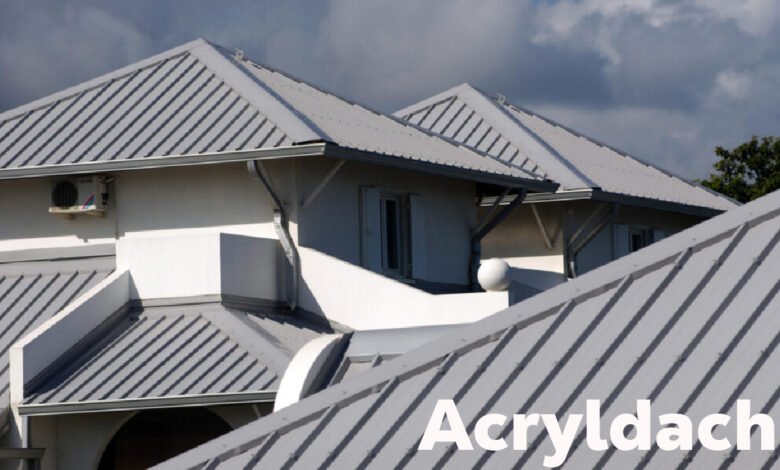
What Is Acryldach?
Acryldach is a roofing system made from acrylic (PMMA) panels or liquid acrylic membranes that provide transparency, durability, and strong UV resistance. It is commonly used in skylights, pergolas, greenhouses, patios, carports, and flat roofs where natural light and weather protection are both important. Unlike traditional roofing materials that block sunlight or add heavy structural load, acryldach allows high light transmission while remaining lightweight and impact-resistant. Because it can be manufactured in solid sheets, corrugated panels, multiwall systems, or liquid coatings, acryldach is considered one of the most versatile modern roofing solutions available today.
The word “acryldach” comes from two parts: “acryl,” meaning acrylic material such as polymethyl methacrylate (PMMA), and “dach,” the German word for roof. The term literally translates to “acrylic roof.” While it originated in German-speaking markets, the concept of acryldach has expanded globally as architects and homeowners search for roofing systems that combine glass-like clarity with the strength of advanced polymers. As sustainable building practices become more popular, the demand for acryldach continues to grow because it supports daylighting, energy efficiency, and long-term durability.
People search for the term acryldach for several reasons. Many homeowners are researching home improvement projects like pergola covers or patio roofing. Greenhouse owners look for materials that allow high light transmission without yellowing. Builders compare acrylic roofing with polycarbonate and glass. Others want energy-efficient roofing solutions that reduce electricity bills. Because there is often confusion between acrylic and polycarbonate roofing, the keyword “acryldach” has become increasingly searched worldwide.
Types of Acryldach Roofing Systems
Flat Acrylic (PMMA) Sheets
Flat acrylic sheets are the most recognizable form of acryldach roofing. These panels are typically available in thicknesses ranging from 2 mm to 16 mm, depending on structural needs and insulation requirements. With light transmission reaching up to 92%, flat PMMA sheets closely resemble glass in clarity but are approximately 50% lighter. They are commonly used for skylights, patios, conservatories, and modern architectural designs where transparency and elegance are important. Their smooth surface provides excellent optical quality while maintaining strong weather resistance.
Corrugated Acryldach Panels
Corrugated acryldach panels feature a wave-like design that increases structural strength without adding extra weight. The ridged profile improves water drainage, making them ideal for sheds, warehouses, and industrial buildings. Because of their shape, corrugated panels can handle moderate loads and are easier to install over large areas. They provide the same UV resistance and clarity as flat sheets but with enhanced durability for outdoor environments exposed to wind and rain.
Twinwall / Multiwall Acryldach
Twinwall or multiwall acryl dach systems contain hollow chambers within the panels, which trap air and improve insulation. These designs are especially beneficial for greenhouses and cold climates because they reduce heat loss while still allowing natural light inside. The multi-layer construction increases rigidity and energy efficiency, making this type of acrylic sheet suitable for both agricultural and residential use.
Liquid-Applied Acryldach Coatings
Liquid-applied acryldach coatings are primarily used on flat or low-slope roofs. These acrylic membranes are applied as a liquid and cure into a seamless waterproof layer. They are highly reflective, helping reduce roof temperature and cooling costs. In addition to waterproofing, these coatings protect against UV damage and extend the lifespan of existing roofing systems.
Materials Behind Acryldach (PMMA Technology Explained)
What Is PMMA?
PMMA, or Polymethyl Methacrylate, is a transparent thermoplastic developed in the early 20th century. It is commonly known as plexiglass and has been widely used as a lightweight alternative to glass. In acryl dach systems, PMMA serves as the primary material because it offers excellent clarity, weather resistance, and durability.
Why PMMA Is Better Than Regular Plastic
Unlike ordinary plastic sheets, PMMA does not yellow easily and maintains its optical clarity for decades. It has higher UV stability, meaning it resists degradation caused by sunlight. Regular plastics often become brittle or cloudy over time, but high-quality acryldach panels retain their transparency and strength for 20–30 years when properly maintained.
UV Stabilizers & Anti-Yellowing Technology
Modern acryldach panels include UV stabilizers that prevent brittleness and discoloration. These additives protect the surface from fading and cracking, significantly extending the lifespan of the roofing system. With proper UV treatment, acrylic panels can maintain clarity for up to three decades.
Coatings & Finishes
Acryldach panels are available with various coatings and finishes, including anti-glare surfaces for comfort, anti-fog treatments for greenhouses, reflective heat coatings to reduce solar gain, and tinted options such as bronze, opal, and grey. These finishes enhance both performance and design flexibility.
Key Features of Acryldach Roofing
Acryldach roofing is lightweight—approximately half the weight of glass—making installation easier and reducing structural load. It provides high light transmission while maintaining strong impact resistance. It performs well under harsh weather conditions, including rain, hail, and UV exposure. While acrylic expands slightly with temperature changes, proper installation accounts for this movement. Noise during heavy rain can occur but is manageable with insulation. Many panels also meet fire resistance standards, depending on manufacturer ratings. Acryldach is available in flat, curved, dome, and custom shapes, allowing wide architectural customization.
Benefits of Choosing Acryldach
Energy Efficiency
reduces artificial lighting needs by maximizing daylight, leading to lower electricity bills and improved energy efficiency.
Long Lifespan
High-quality acryldach systems last between 20 and 30 years with minimal maintenance.
Safety Advantage Over Glass
Because acrylic is shatter-resistant, it is safer than glass, especially in residential areas.
Modern Architectural Appeal
Transparent roofing creates open, bright spaces that align with contemporary design trends.
Sustainability
Acryldach panels are recyclable and contribute to green building certifications by supporting natural daylight usage.
Other Roofing Materials
| Feature | Acryldach | Polycarbonate | Glass | Metal | Fiberglass | Asphalt |
|---|---|---|---|---|---|---|
| Weight | Light | Moderate | Heavy | Moderate | Light | Moderate |
| Transparency | High | Moderate | High | None | Low | None |
| UV Stability | Excellent | Good | Moderate | Moderate | Medium | Poor |
| Lifespan | 20–30 years | 10–20 years | 30+ years | 30+ years | 10–15 years | 15–20 years |
| Impact Resistance | High | Very High | Low | Medium | Low | Low |
Acryldach vs polycarbonate often comes down to clarity versus impact strength, with acrylic offering better long-term transparency. Compared to glass, acryldach is lighter and safer. Against metal or asphalt, acrylic provides superior light transmission and modern aesthetics.
Applications of Acryldach
Acryldach is used in many different environments because it offers a rare combination of strength, transparency, and weather protection. In residential settings, acryldach is commonly installed over pergolas, patios, carports, skylights, and conservatories. Homeowners prefer it because it allows natural sunlight to enter while protecting outdoor areas from rain, wind, and harmful UV rays. In patios and pergolas, acryldach creates a bright, open atmosphere without making the space feel enclosed. Skylights made from acrylic panels improve indoor lighting and reduce the need for artificial lights during the day. In carports, acryldach protects vehicles while maintaining visibility and a clean modern look.
In commercial buildings, acryldach is widely used in mall atriums, office skylights, restaurant canopies, and shopping center entrances. Large transparent roof panels help businesses reduce electricity costs by maximizing daylight. In restaurants and cafés, acryldach creates an inviting open-air feeling while still offering protection from weather changes. Industrial facilities also benefit from acryldach roofing systems, especially in warehouses and factories where daylight panels reduce energy consumption.
Agricultural applications are especially important, as greenhouses and hydroponic farms depend on consistent light transmission for plant growth. Multiwall acryldach panels help regulate temperature while allowing sunlight to pass through efficiently. Public infrastructure such as bus stops, walkways, train platforms, and sports facilities also uses acryldach because it is lightweight, durable, and safer than glass.
Acryldach Installation Guide
Installing acryldach correctly is essential to ensure long-term durability and safety. The basic tools required include a measuring tape for accurate sizing, a drill for fastening, screws with rubber washers to prevent leaks, high-quality sealants, and a fine-tooth saw designed for cutting plastic sheets without cracking them. The first step in installation is careful measurement of the roofing area to determine panel size and layout. Next, a strong frame—usually made from aluminum, steel, or treated wood—is prepared to support the panels evenly.
After the frame is ready, acrylic panels are cut precisely and positioned on the structure. It is very important to leave small expansion gaps around mounting holes because acrylic expands and contracts slightly with temperature changes. Screws should not be overtightened, as excessive pressure can cause stress cracks. All edges and joints must be sealed properly to prevent water penetration.
For larger or commercial projects, professional installation is recommended. Licensed contractors ensure compliance with International Building Code (IBC) requirements and ASTM standards, which guarantee proper structural performance and safety. Common mistakes during installation include ignoring expansion allowances, using incorrect sealants that react with acrylic, and tightening fasteners too much, all of which can reduce the lifespan of the acryldach system.
Maintenance & Care of Acryldach
Acryldach roofing systems require minimal maintenance compared to many traditional materials, but regular care is still important. Cleaning should be done using mild soap mixed with water and a soft cloth or sponge. Abrasive cleaners, ammonia-based products, or rough brushes should be avoided because they can scratch the surface or cause clouding. Gentle cleaning helps maintain clarity and appearance over time.
To prevent yellowing, it is important to choose UV-coated acryldach panels from reputable manufacturers. Regular inspection ensures that protective coatings remain intact and that no damage has occurred. If small cracks or leaks appear, they can often be repaired using acrylic-compatible sealants or patch kits. However, if panels are severely damaged or structurally weakened, replacement may be necessary. Seasonal maintenance should include checking joints, inspecting flashing areas, and cleaning gutters to prevent water buildup. Proper care can extend the lifespan of acryldach roofing to 20–30 years or more.
Acryldach Cost & ROI
The cost of acryldach roofing depends on several factors, including panel thickness, brand reputation, coating technology, design complexity, and regional labor costs. Flat acrylic sheets typically cost more than basic asphalt sheets but less than high-end glass systems. Multiwall insulated panels and specialized coatings may increase the price. Installation costs vary depending on project size and whether professional contractors are involved.
Although the initial cost of acryldach may be higher than some traditional roofing materials, the return on investment is often strong. Because acryldach allows natural daylight to enter buildings, electricity costs for lighting can decrease significantly. Reflective coatings may also reduce cooling expenses in warm climates. Additionally, the material’s long lifespan and low maintenance requirements reduce repair and replacement costs over time. In many cases, energy savings and reduced upkeep allow the system to pay for itself within approximately five years, making it a financially smart long-term solution.
Top Acryldach Brands
Several reputable brands manufacture high-quality acryldach systems. ACRYLITE® is known for premium flat acrylic sheets with excellent optical clarity and long warranties. Stabilit and Acrylit specialize in corrugated roofing panels used in industrial and commercial settings. Acrylabs produces advanced liquid-applied acrylic coatings for waterproofing flat roofs. Plexiglas® by Röhm GmbH is a globally recognized brand offering durable PMMA sheets with strong UV stability. Palram, while known primarily for polycarbonate products, is often compared to acryldach manufacturers due to similar market applications.
These leading brands typically offer warranties ranging from 10 to 20 years and comply with international certifications for safety and performance. Global distribution networks ensure that quality acryldach materials are available worldwide, supporting both small residential projects and large commercial developments.
Building Codes & Compliance
Acryldach roofing systems must comply with recognized building standards to ensure safety and durability. The International Building Code (IBC) provides guidelines for structural performance, fire resistance, and installation practices. ASTM D3841 applies to rigid plastic sheets used in roofing applications, ensuring they meet impact and weather resistance requirements. ASTM D6083 covers liquid-applied acrylic coatings, confirming their waterproofing performance and flexibility.
Following these standards improves trust, safety, and long-term reliability. Local building regulations may vary by country or region, so it is important to consult local authorities before installation. Compliance not only protects property owners but also strengthens the credibility of acryl dach as a modern roofing solution.
Limitations of Acryldach
While acryldach offers many advantages, it also has certain limitations that should be considered. Acrylic surfaces can scratch more easily than glass or metal, so careful handling and cleaning are necessary. Thermal expansion must be managed properly during installation to prevent stress damage. During heavy rain, acrylic roofs may produce more noise compared to insulated roofing systems, although this can be reduced with additional soundproofing layers.
Single-sheet acrylic panels offer limited thermal insulation compared to multiwall designs or traditional insulated roofs. Additionally, the upfront cost may be higher than asphalt roofing materials. Understanding these limitations allows property owners to make informed decisions and select the right type of acryl dach for their specific needs.
Sustainability & Environmental Impact
Acryldach supports sustainable construction in several ways. PMMA has a long service life, reducing the frequency of replacements and lowering overall material waste. Acrylic panels are recyclable, and modern manufacturing processes aim to reduce environmental impact. By maximizing natural daylight inside buildings, acryldach reduces the need for artificial lighting, which lowers electricity consumption and carbon emissions.
In green architecture, daylight optimization is a key factor in energy efficiency. Many sustainable building certifications recognize the importance of materials that improve natural lighting and reduce environmental impact. Acryldach plays a valuable role in supporting eco-friendly construction practices.
Real-World Case Studies
Real-world projects demonstrate the practical benefits of acryldach roofing. In residential homes, skylights made from acrylic panels have reduced daytime electricity use by increasing natural light levels. Commercial atriums in shopping centers have reported measurable reductions in lighting costs due to large transparent roof sections. Agricultural greenhouses using twinwall acryl dach panels have shown improved crop growth because of consistent light diffusion and temperature regulation.
These examples confirm that acryldach is not just a design trend but a proven solution that delivers measurable performance improvements across different industries.
Future of Acryldach Roofing (2025–2030)
The future of acryldach looks promising as technology continues to evolve. Solar-integrated acrylic panels are being developed to combine daylight transmission with renewable energy production. Smart tint technology may allow panels to adjust transparency automatically based on sunlight intensity. Nano self-cleaning coatings could reduce maintenance requirements even further. Research into bio-based PMMA materials aims to lower environmental impact, while AI-assisted design tools may optimize roofing layouts for maximum efficiency.
As these innovations progress, acryl dach is expected to play an even greater role in sustainable, energy-efficient building design worldwide.
Final Conclusion
Acryldach is a modern roofing solution that successfully combines transparency, durability, and energy efficiency. It serves homeowners, architects, greenhouse operators, commercial developers, and industrial planners who seek long-term performance and clean architectural design. While it requires proper installation and care, its advantages in natural lighting, weather resistance, and sustainability make it an attractive alternative to traditional roofing materials. As construction continues to move toward smarter and more environmentally responsible solutions, acryl dach stands out as a forward-looking choice that aligns perfectly with the future of modern architecture.
(FAQs) Frequently Asked Questions
1. What is acryldach?
Acryldach is a roofing system made from acrylic (PMMA) sheets or liquid acrylic coatings. It is used for skylights, patios, pergolas, greenhouses, and flat roofs because it is lightweight, transparent, and resistant to UV rays and weather damage.
2. How long does acryldach roofing last?
High-quality acryldach roofing typically lasts between 20 to 30 years. With proper installation and regular cleaning, it can maintain its clarity and strength for decades without major repairs.
3. Is acryldach better than polycarbonate roofing?
Acryldach offers better long-term clarity and UV resistance than polycarbonate. While polycarbonate is slightly more impact-resistant, acryldach does not yellow easily and keeps its transparent appearance longer.
4. Is acryldach waterproof?
Yes, acryldach is waterproof when installed correctly. Solid acrylic sheets and liquid-applied acrylic coatings create a strong barrier that prevents water leaks and protects buildings from rain and moisture.
5. Does acryldach reduce energy costs?
Yes, acryldach helps reduce energy costs by allowing natural daylight into buildings. This lowers the need for artificial lighting during the day and can also reduce cooling costs when reflective coatings are used.